Enhance Reach: All-Inclusive SEO Services for Every Sector
In today's digital landscape, maximizing visibility through comprehensive search engine optimization is essential for businesses across all niches. This strategy not only enhances online presence but also attracts a targeted audience. By concentrating on customized approaches such as keyword research and local optimization, companies can generate organic traffic and improve their search engine rankings. However, the process doesn't end there. Comprehending the vital elements of SEO can uncover deeper understanding into sustainable growth and credibility in the market.
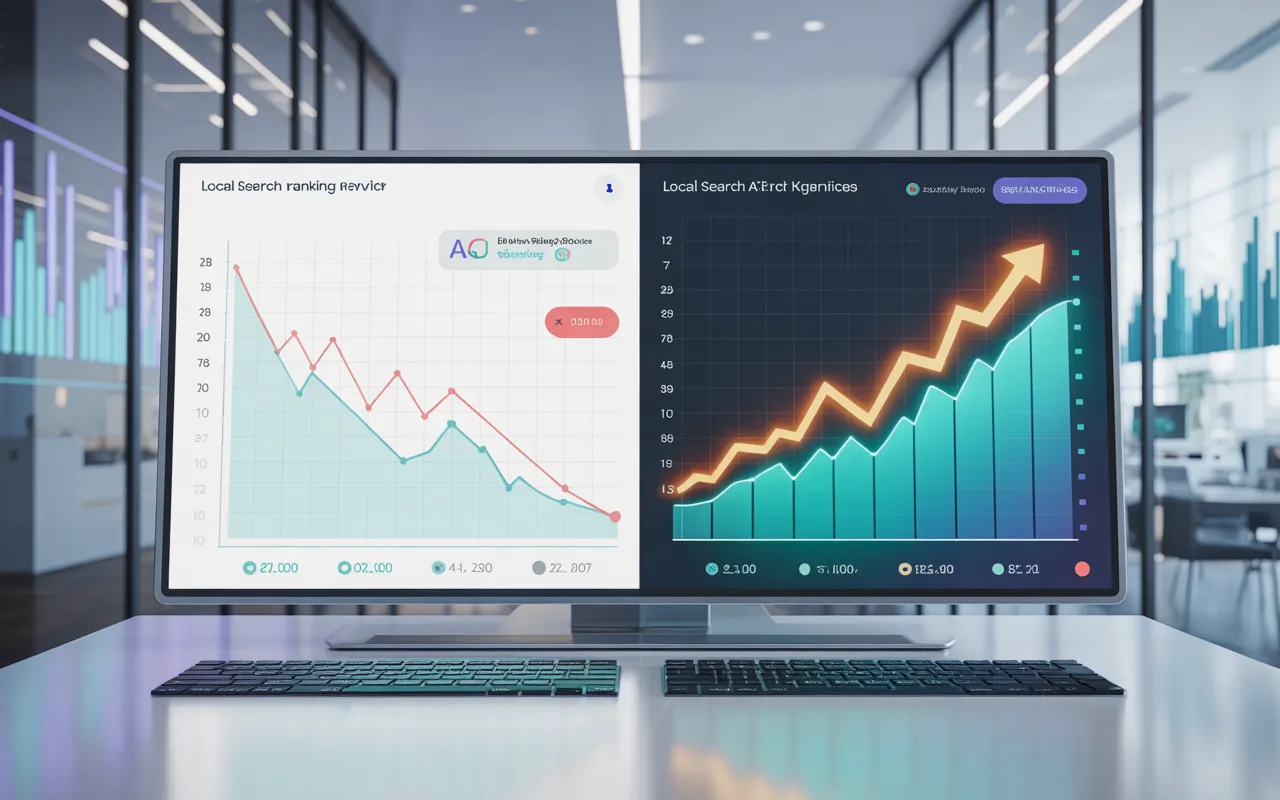
Why SEO Is Important for Your Specialty
Across the tough arena of internet marketing, the criticality of SEO for any specific market cannot be overstated. SEO serves as an necessary instrument that maximizes internet presence, making it necessary for businesses intending to attract targeted audiences. By optimizing content and structure, firms can improve their ranking positions, pushing legitimate visitors to their online properties. This becomes particularly important in niche sectors where competition may be high yet specialized.
Effective SEO strategies enable businesses to pinpoint matching keywords, interpret audience intent, and tailor content accordingly. As niche markets often have exceptional demands, capitalizing on SEO not only helps in reaching potential customers but also in consolidating authority within that specific field. Consequently, the embedding of SEO into a company's digital strategy is not just worthwhile; it is crucial for long-term success, ensuring that the brand remains competitive and relevant in its niche.
Essential Elements of SEO for Business Performance
While many aspects support successful SEO, several noteworthy components prove to be fundamental for business growth. First, keyword investigation creates the foundation for robust advancement, helping firms to identify relevant terms that potential customers are searching for. Second, on-page enhancements, with meta tags, heading tags, and quality writing, ensures that webpages are structured to be readily comprehended by search engines.
Third, technical SEO functions as a critical element in enhancing site capability, emphasizing aspects such as page speed, mobile-friendliness, and secure connections. Additionally, quality backlinks from trusted sources increase domain authority, conveying credibility to search engines. Finally, location-based SEO strategies are imperative for enterprises aiming to engage nearby customers, optimizing listings on platforms like Google My Business. Together, these elements establish a robust system that enhances visibility, drives traffic, and ultimately aids business achievement in tough online landscapes.
Synchronizing Your SEO Strategy With Your Target Audience
Understanding your target market is essential for successful SEO strategy development. Tailoring content to meet the specific needs and interests of the target demographic can significantly improve engagement and conversion rates. By conducting comprehensive audience research, businesses can identify key characteristics such as interests, behaviors, and pain points.
This insight enables the creation of relevant keywords that connect with potential visitors, guaranteeing that the material is both findable and attractive. Additionally, understanding the target market helps in improving website design, user experience, and social media interactions, all of which are critical components of a effective SEO strategy.
Incorporating consumer insights and analytical data into ongoing SEO efforts encourages continuous refinement. By aligning SEO initiatives with the target audience’s expectations, businesses can nurture stronger connections, increase organic traffic, and ultimately drive growth. In a competitive digital landscape, this alignment is not just beneficial; it is imperative for long-term success.
Implementing Powerful Local SEO Strategies
Effective local SEO approaches are vital for enterprises trying to attract nearby customers. This entails optimizing Google My Business listings, using local keywords, and developing local connections to improve visibility in local search results. By prioritizing these aspects, companies can considerably boost their local online presence.
Enhance Google My Business
A well-optimized Google My Business (GMB) listing can noticeably enhance a local business’s online exposure in search results. To achieve this, businesses need to guarantee their info is detailed, including the business name, address, phone number, and hours of operation. Eye-catching visuals like professional images of products or services can lure potential clients. Encouraging happy customers to leave positive reviews enhances credibility and boosts search rankings. Keeping the listing updated regularly with posts about promotions or events helps keep the content relevant. Moreover, using GMB features such as Q&A and messaging can enhance customer engagement. By applying these techniques, businesses can effectively optimize their GMB listings, leading to higher foot traffic and a stronger local presence.
Take Advantage of Local Search Phrases
Many businesses tend to prioritize general keywords, but leveraging local keywords can significantly enhance visibility in specific markets. Local keywords are critical for targeting audiences within particular geographic areas, enabling firms to consult article draw customers who are searching for nearby services. By integrating city names, neighborhoods, or regional terms into their SEO approaches, firms can boost their positions in local search outcomes. Moreover, tools like Google Keyword Planner can assist in identifying high-traffic local keywords related to a business's niche. It is also important to analyze competitors to grasp which local terms are generating their traffic. In the end, a dedicated approach on local keywords not only increases visibility but also builds stronger ties with the community, producing higher conversion rates.
Create Local Backlinks
Building regional backlinks is an crucial component of a strong local SEO plan. These backlinks, obtained from trusted local sites, boost a business's credibility and authority within its community. Effective methods for building local backlinks include connecting with local organizations, sponsoring community events, and collaborating with nearby businesses. Additionally, listing on local directories and participating in local online forums can yield valuable links. Creating top-notch, locally relevant content also draws backlinks organically, as other sites recognize its value. By prioritizing local backlinks, businesses can enhance their search engine rankings and engage better with their target audience. This well-planned approach fosters relationships within the community while increasing online visibility and bringing local traffic.
Technical SEO: Critical Factors for Achievement
Technical SEO acts as the backbone of an successful online presence, ensuring that websites are optimized for search engine bots. Key factors consist of website speed, mobile optimization, and encrypted protocols. A quick-loading site enhances user satisfaction and reduces bounce rates, essential for ranking on search engines. Mobile optimization is significant, as an increasing number of users browse websites via smartphones. Implementing responsive design ensures that content displays properly across devices.
In addition, proper URL design and the deployment of XML sitemaps facilitate easier crawling and indexing. Schema markup strengthens the presence of content in search results by providing context to search engines. Periodically auditing website functionality, fixing broken links, and optimizing images further contribute to a site's overall health. By managing these technical elements, businesses can develop a strong foundation that reinforces their broader SEO strategy, ultimately leading to improved visibility and user engagement.
Assessing Search Engine Optimization Outcomes: Data Analysis and Key Performance Indicators
Measuring SEO success copyrights on the capacity to evaluate pertinent data and metrics efficiently. Key performance indicators (KPIs) such as natural visitor flow, search position placements, and conversion rates offer understanding of a website's results. Evaluating natural visitor flow helps identify how many visitors engage with the site, while keyword rankings demonstrate the effectiveness of targeted strategies.
Leveraging platforms such as Google Analytics makes it possible to track user behavior, bounce rates, and session durations, offering a comprehensive understanding of website engagement. Additionally, tracking backlinks and domain authority can indicate the success of off-page SEO efforts.
Ultimately, analyzing SEO achievement needs a blend of statistical information and interpretive analysis. By constantly assessing these indicators, enterprises can refine their tactics, boosting visibility and accomplishing their marketing goals. Regular evaluation ensures that SEO campaigns reflect dynamic industry changes, facilitating sustained growth and strengthened digital footprint.
Frequently Asked Questions
How Much Time Before You Witness SEO Benefits?
Typically, it requires three to six months to see noticeable SEO outcomes. Factors such as market rivalry, existing website health, and chosen strategies influence this timeline, making individual results differ considerably across different companies and industries.
What Are Standard SEO Missteps to Steer Clear Of?
Typical SEO blunders feature neglecting keyword research, ignoring mobile optimization, utilizing replicated content, failing to update outdated information, not optimizing for local searches, and overlooking analytics, which can negatively affect overall digital presence and search rankings.
Is it possible for Me to Do SEO independently?
Yes, people can perform SEO on their own. However, it demands ongoing education and adjustment to ever-changing algorithms. Success often depends on dedication, research, and understanding of best practices to attain effective results.
How Frequently Should I Refresh My SEO Strategy?
Search engine optimization tactics must be modified regularly, ideally every few months. Ongoing analysis of performance measurements and changes in algorithms ensures relevancy and effectiveness, enabling businesses to adapt and maintain a competitive edge in their respective markets.
What are the leading utilities for SEO examination?
Essential tools for SEO analysis comprise Google Analytics, SEMrush, Ahrefs, Moz, and Screaming Frog. Each delivers distinct capabilities for keyword exploration, link analysis, and website audits, assisting users to optimize their online presence.
Comments on “Consult Expert Ai-Driven Seo Services to Dominate Search Rankings”